

Skallerup Klit and Tornby Klitplantage
Hiking trails, adventures and places to eat
Skallerup Indlandsklitter
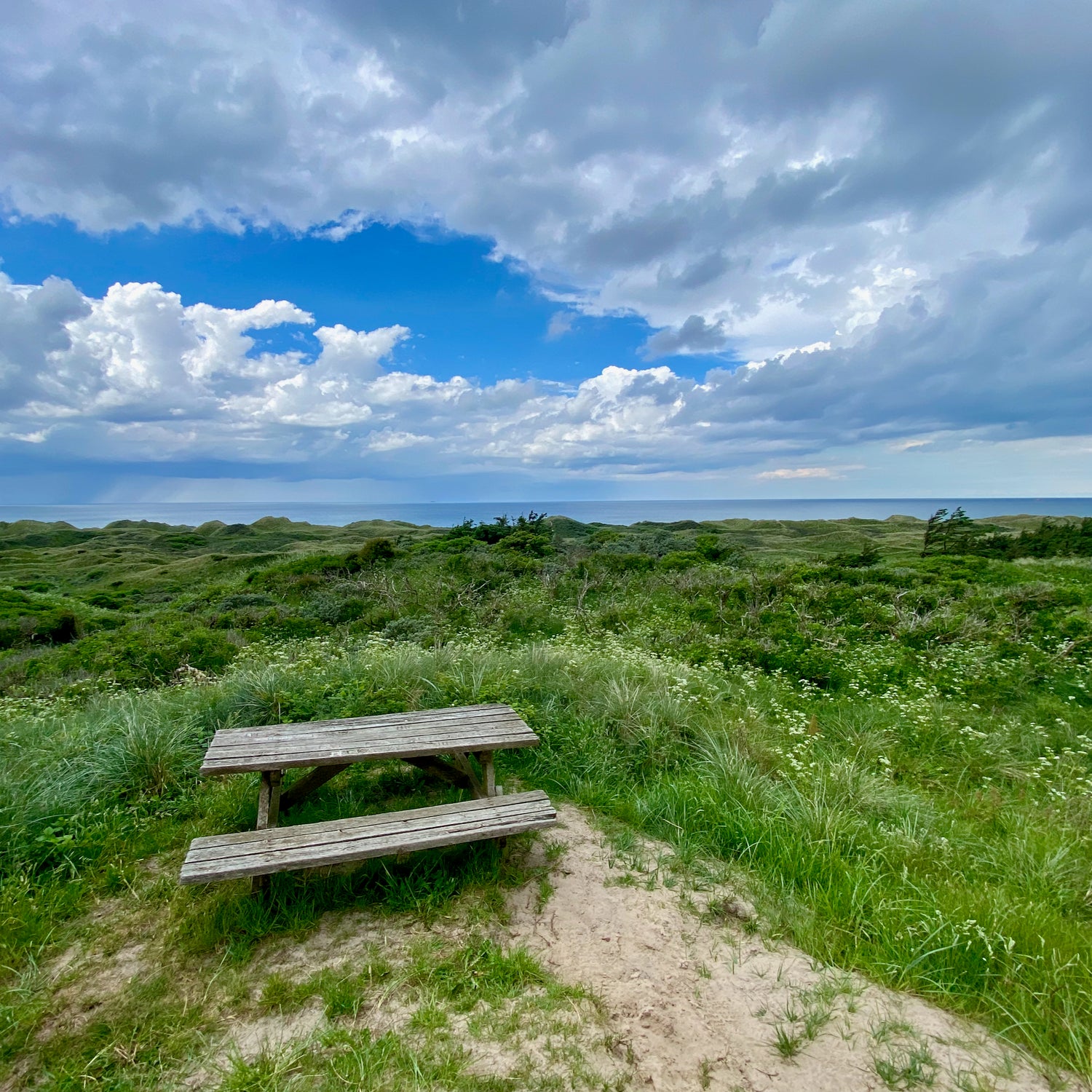
Skallerup Indlandsklitter present a unique landscape of small, round dunes that create an enchanting hobbit-like panorama. This 140 hectare area is under protection to preserve its distinctive topography and biodiversity, including rare species such as the common spadefoot toad and the beautiful silver-spotted skipper butterfly.
The history of the area can be traced back to a time of sandstorms between 1500-1700 that left it desolate. After the regeneration, nature created the grassy inland dunes that are now home to species rarely found elsewhere in the country, such as the small pasque flower and the common spadefoot toad.
Walking through the dune areas one experiences an abundance of natural beauty and biological diversity. Sea-buckthorn adorns the bushes along the path, while colorful birdsong fills the air with life, including species such as buzzards, kestrels and yellowhammer.
Skallerup Inland dunes are also home to peaceful grazing livestock such as sheep and horses that add a rural charm to this breathtaking landscape. This unique natural area invites nature lovers and animal enthusiasts to unforgettable experiences in nature.


Tornby Klitplantage
Tornby Klitplantage stretches over 548 hectares along the Danish west coast, near Hirtshals. It is a beautiful natural area characterized by cliffs, sea dunes and varied vegetation. Founded between 1910 and 1930, the plantation forms an important part of the local ecosystem.
The unique landscape consists of high cliffs that follow the coastline and are broken by picturesque stream valleys. These cliffs create a dramatic contrast between land and sea. The white sea dunes, which are a characteristic part of the area, add a special beauty to the coast.
The plantation contains large stones with historical stories, including the Slave Stone, where the Vikings allegedly tied Scottish slaves. The Yxenbæk river cuts through the landscape and is believed to have influenced the heat of the cows, which gave the place its name.
The nature in Tornby Klitplantage is rich in biodiversity. A wealth of plants and wildlife thrive here and it is an ideal place for bird watching and nature experiences. The area attracts both locals and tourists looking to immerse themselves in the Danish nature.
The plantation also has a network of paths and walkways that allow visitors to explore the area on foot or by bicycle. This gives you the opportunity to get close to nature and enjoy the beautiful views that Tornby Klitplantage has to offer.

The hiking trails
Below you see the selected hiking trails from the hiking area with mileage.
We have prioritized the trails with our favorite trail in the area as the first.
You get information about each hiking trail by clicking on the pictures.
Skallerup Indlandsklitter
The hiking trail through the Skallerup Indlandsklitter leads you through a beautiful and varied landscape, where nature shows itself at its best. As you walk along the path, a nice view opens up of small, round dunes that almost give the impression of a fairy-tale hobbit landscape.


Tornby Klitplantage - yellow route
The route around Horsedammen offers a varied hike. You start through a beautiful coniferous forest, where you can enjoy the scent of spruce and the soft forest floor under your feet.


Kirkestien
The trail takes you through an easy terrain, but be prepared for wet passages, especially in winter. From the town center the route leads up to the church and on to Grætterne, a depression with a marsh that was once a place for peat digging and now houses a rich bird life, including gray herons.


Tornby Klitplantage - blue route
The blue route is a pleasant trip around the northern part of Tornby Klitplantage. From the car park you go onto Yxenbæk Vej and turn west onto Pylle Munchs Sti. Here you have the Nordskoven on the right and Den Store Slette on the left, where you may be lucky to see deer.


Tornby Klitplantage - red route
The red route in Tornby Klitplantage offers a varied tour through the area's unique nature. The route takes you on pleasant paths and forest roads through a varied landscape with dunes and forest.


Ideel rækkefølge af stierne i forhold til transport
Ideal sequence of the trails in relation to transport
We recommend that you walk the hiking trails in the following order (or vice versa) to get the shortest possible transport distance between the trails:
- Skallerup Indlandsklitter 3.9 km (1)
- Kirkestien 6.7 km (3)
- Tornby Klitplantage - yellow route 2.8 km (2)
- Tornby Klitplantage - red route 4.4 km (E)
- Tornby Klitplantage - blue route 2 km (4)
You can choose to skip paths so that the distance fits what you want to walk.
For example, if you want to walk 8.7 km, you start with Skallerup Indlandsklitter, skip over Kirkestien. You then walk the Tornby Klitplantage - yellow route, skip over the red route and then finally do the blue route.

Be aware
The path in Skallerup Indlandsklitter can be difficult to see in some places, but you can often orient yourself by the next marker post.
Experiences and sights
-

Tornby Dyssen
Tornby Dyssen, the northernmost dolmen in Denmark, consists of four bearing stones, on which a large cover stone rests. Originally, the dolmen was covered with soil, but this has disappeared over time. Despite its free-standing status, the dolmen was already protected in 1881 thanks to its beautiful and monumental appearance.
In the chamber, where burials once took place, traces of this have not been preserved. Grave goods such as flint axes and clay vessels have been removed due to disturbance and partial destruction of the dolmen in the past. -
The old general store
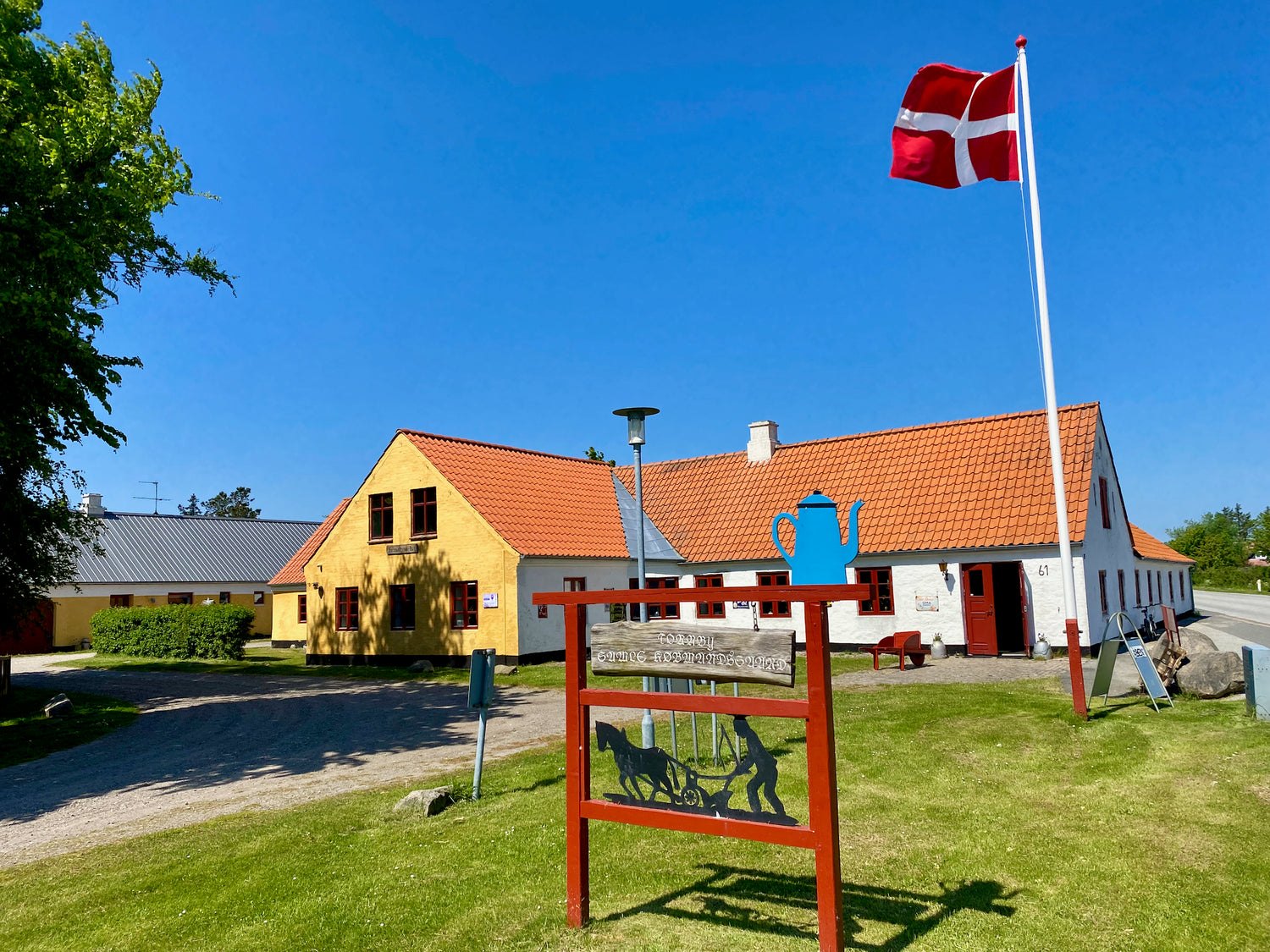
Step into a 200-year-old trading house and general store, where time seems to stand still. In the well-preserved shop from 1860, you are greeted by the aroma of freshly ground coffee, salami, cheese, and soap. Here you can purchase local specialties and experience the atmosphere from a time when trade was conducted over the counter, without stress and plastic.
Explore the exhibition on the trading routes between Vendsyssel and Norway, which tells the story of the maritime trade routes and the economic ties between the regions. Dive into the past and gain insight into a bygone era, where trade and exchange were central to society. -

The animal farm
Visit the animals at Dyregården, which is a 50s-style farm.
On the farm there are, among other things, chickens, donkeys, deer, goats, cats, rabbits and guinea pigs. Every day at At 9.30 the early risers can take part in the daily feeding round, where eggs are collected from the hens and the farm's goats etc. are fed. In the café Madam Blås Køkken you can buy refreshments.


Restaurants and cafés
-
Restaurant Munch
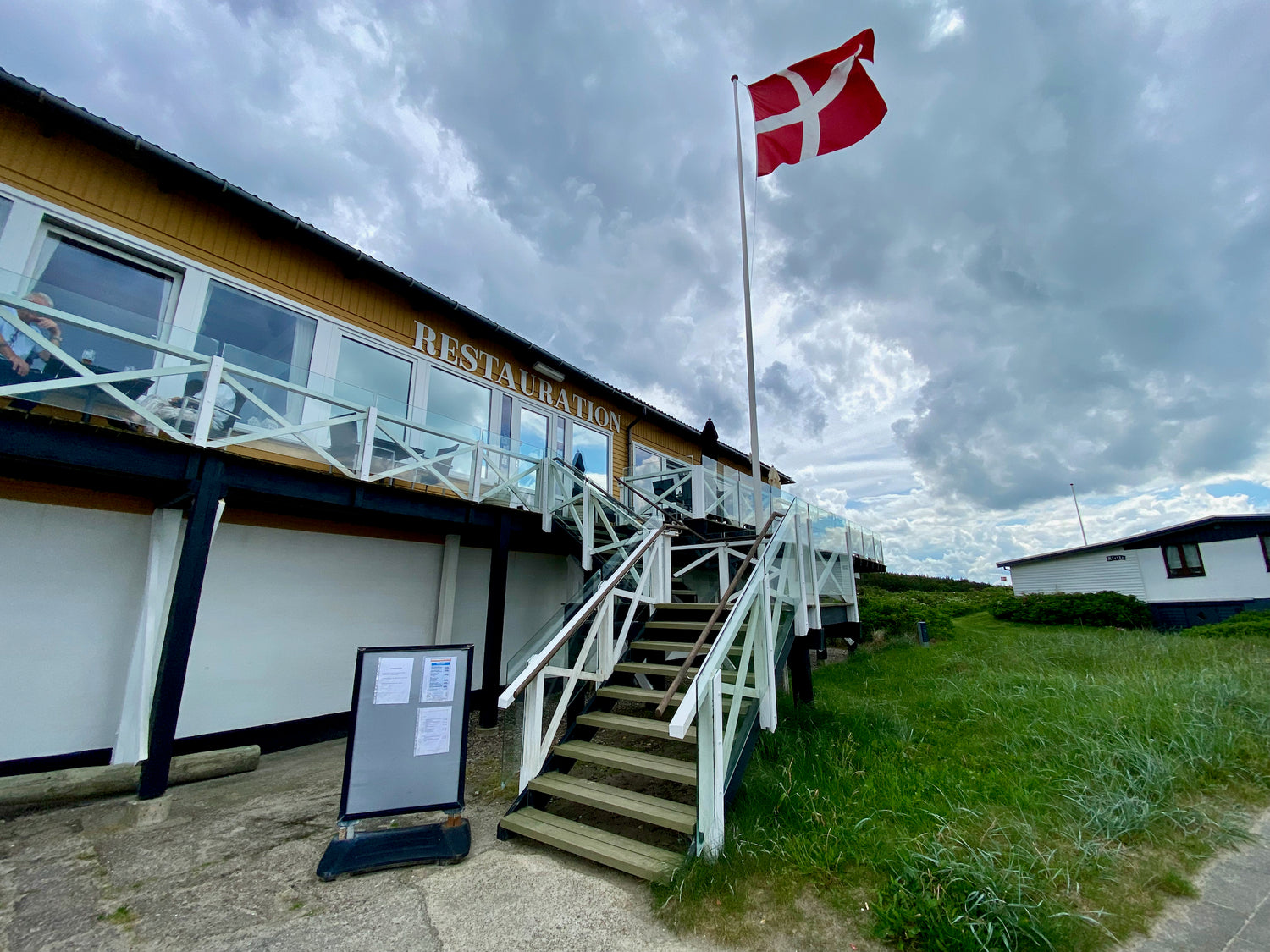
Munch's Restaurant is a cozy family-friendly restaurant where the focus is on good food and a relaxed atmosphere. Their friendly staff serve the meals with a smile, so you can enjoy both the food and a fantastic view of the Skagerak, where the sunset is not least breathtaking.
On the a la carte menu, you can look forward to good Danish food and a wide selection of fish dishes. In summer there is also a popular weekly fish buffet. -

Skallerup Cafe and Restaurant
The restaurant provides the framework for a quality meal based on seasonal ingredients. Here you will experience a relaxed atmosphere in family-friendly surroundings.
The café offers good coffee, crispy sandwiches, juicy burgers, delicious ice cream and much more. It is comfortably furnished and, when the weather permits, outdoor dining is offered on the terrace.
