
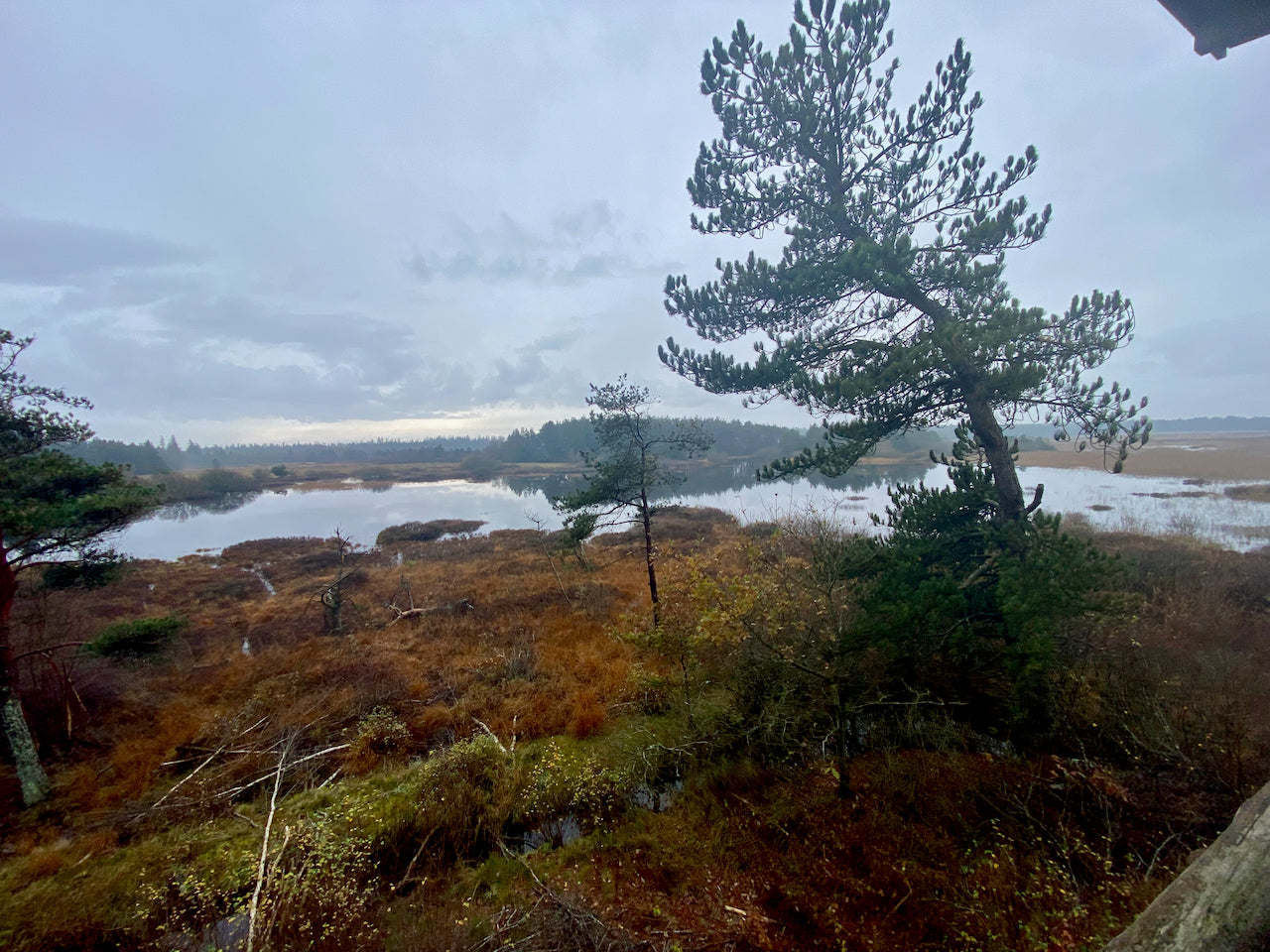
Tranum and the marshes
Hiking trails, adventures and places to eat
Tranum
Tranum Klitplantage was founded in 1918 to combat sand drift, replacing farms and marshes. The state bought the area, but many old houses have now been demolished, although traces of the old building and garden plots are still evident.
Establishing Tranum Klitplantage required considerable labor for sand reduction, ditch digging and forest roads. Now the plantation extends over 3910 ha, with forest areas mainly consisting of sitka spruce on low-lying areas and Scots pine on higher, dry areas, as well as large dune and marsh areas.
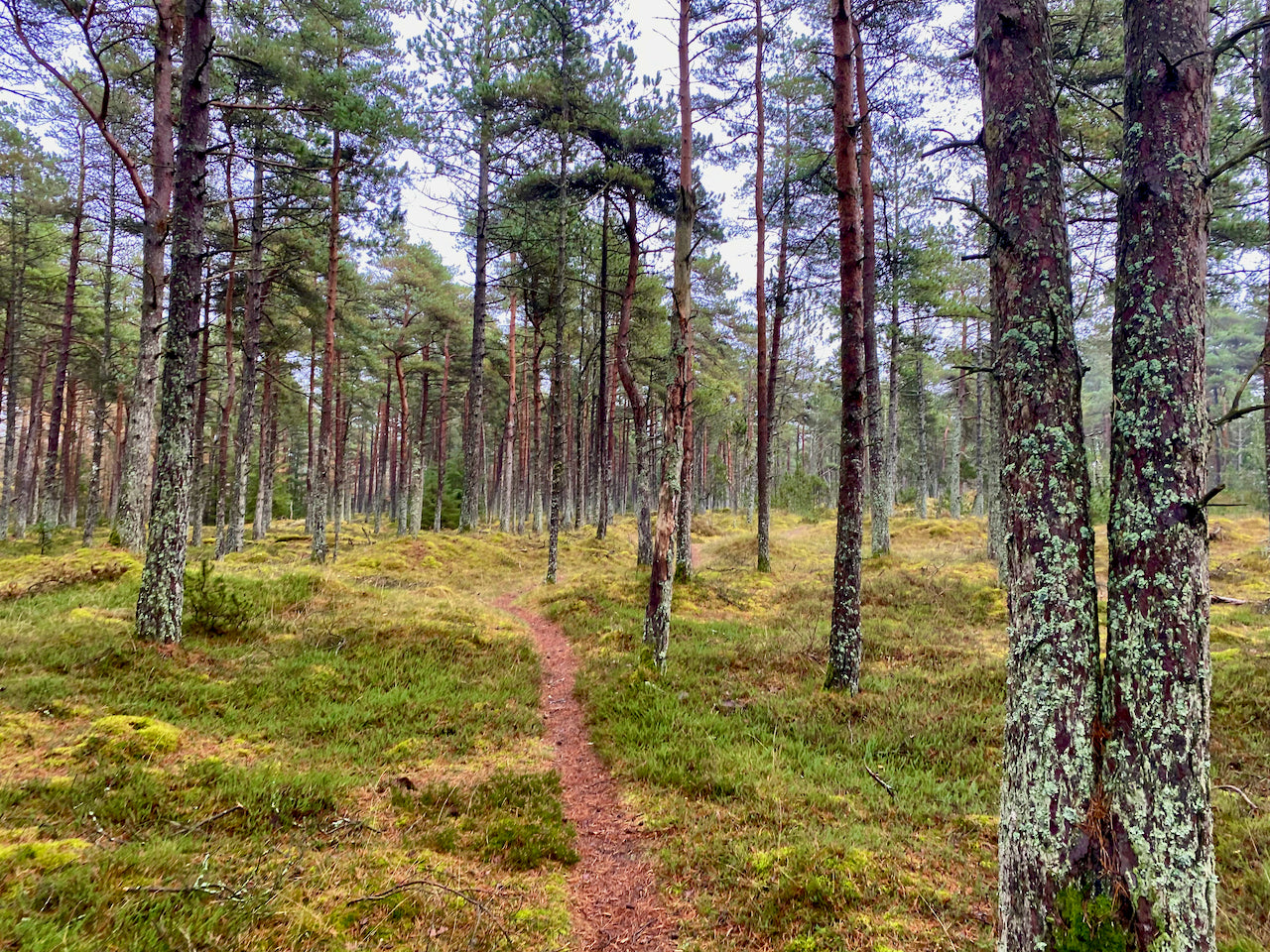
Tranum Klitplantage's characteristic pine forests are open to light, and the older they get, the greater the biodiversity. Under the pines, heather, cross-leaved heather and herbs such as tormentil and catsear. The forest houses habitats for fungi, lichens, mosses, insects, butterflies and birds such as woodlarks and nightjar.
Numerous species in Tranum Klitplantage thrive in the clearings and along the roadsides. When the light reaches the ground, various herbs thrive and a wealth of flowers appear, to the delight of insects and butterflies.


The marshes
4-5000 years ago, when land uplift began to take hold, after the Stone Age and Litorina seas had flooded large parts of Vendsyssel, the old seabed was gradually exposed to drying. It is on this Stone Age surface that the marshes now exist.
Today, the marshs form a fascinating natural area with a diversity of animal and plant life. In the past, the marshs were characterized by significant sand drift, while at the same time they functioned as areas where people collected fuel in the form of peat.
There are marked paths leading through the marshs and they are carefully tended to prevent overgrowth. If you move quietly through the area, you can experience the rich flora and fauna, including impressive birds of prey such as Eurasian goshawk, both the short- and the long-eared owl, marsh harriers and hen harrier.
The marshs house a diversity of plant species that thrive in the acidic and wet growing conditions. Devil's bit, a distinctive plant, is the host plant for the endangered marsh fritillary butterfly, which can be observed in the month of June.
Each year, regional plays are organized in Sandmosen and Koldmosen, where historical plays tell about the life and work of the peat diggers in the bogs, the peat diggers and their life in the bog.


The hiking trails
Below you see the selected hiking trails from the hiking area with mileage.
We have prioritized the trails with our favorite trail in the area as the first.
You get information about each hiking trail by clicking on the pictures.
Tranum - Trails in the countryside
Go on a scenic hike on the path that winds through the impressive dune areas at Rødhus Klit.


Sandmosen - green route 3,3
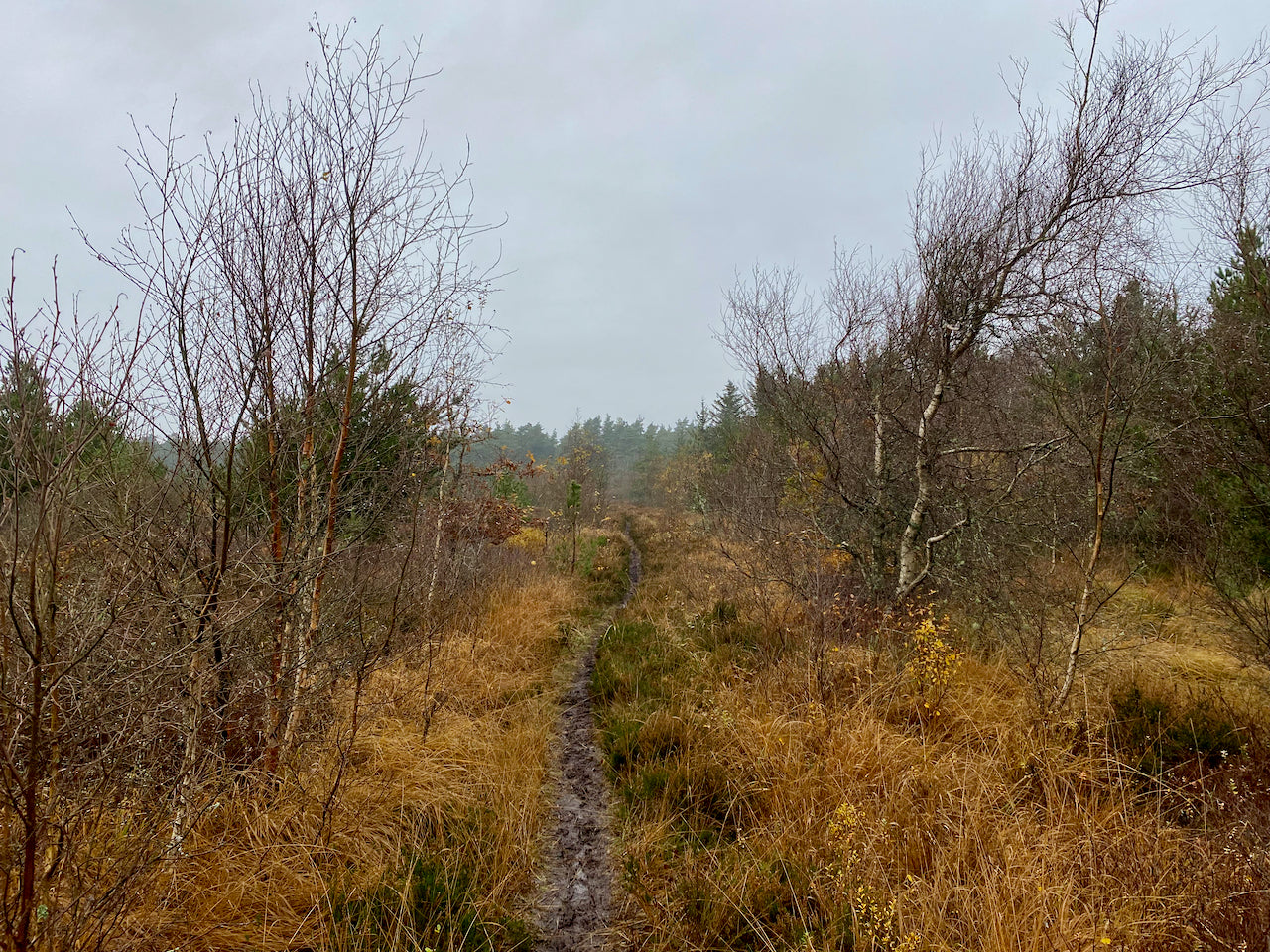
The green route invites you to a charming walk through the marsh on a narrow path covered with grass that leads you through the area in dry shoes. It is a perfect way to experience the varied terrain and the special nature that Sandmosen has to offer.


Overklitten Sø - red route
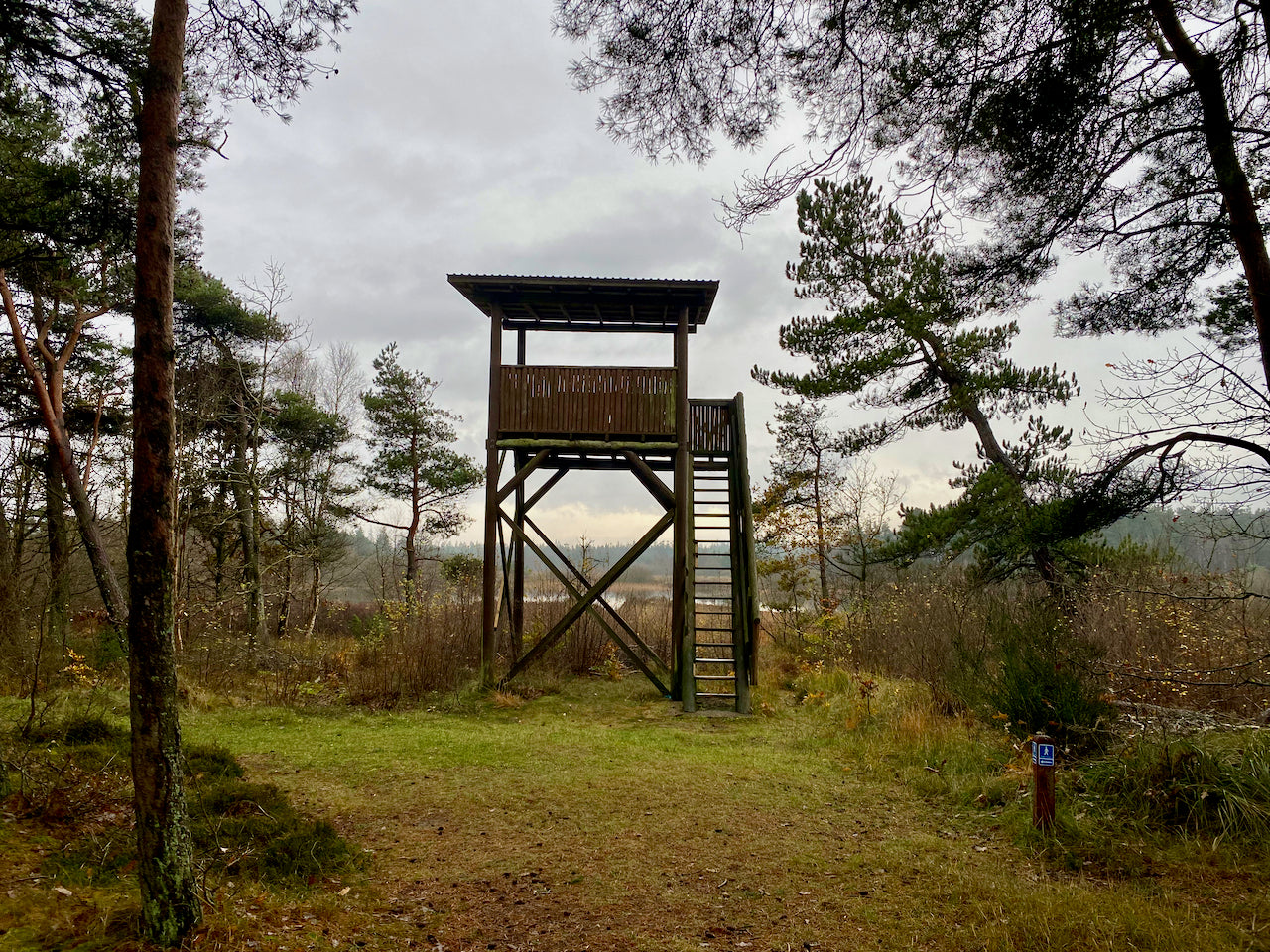
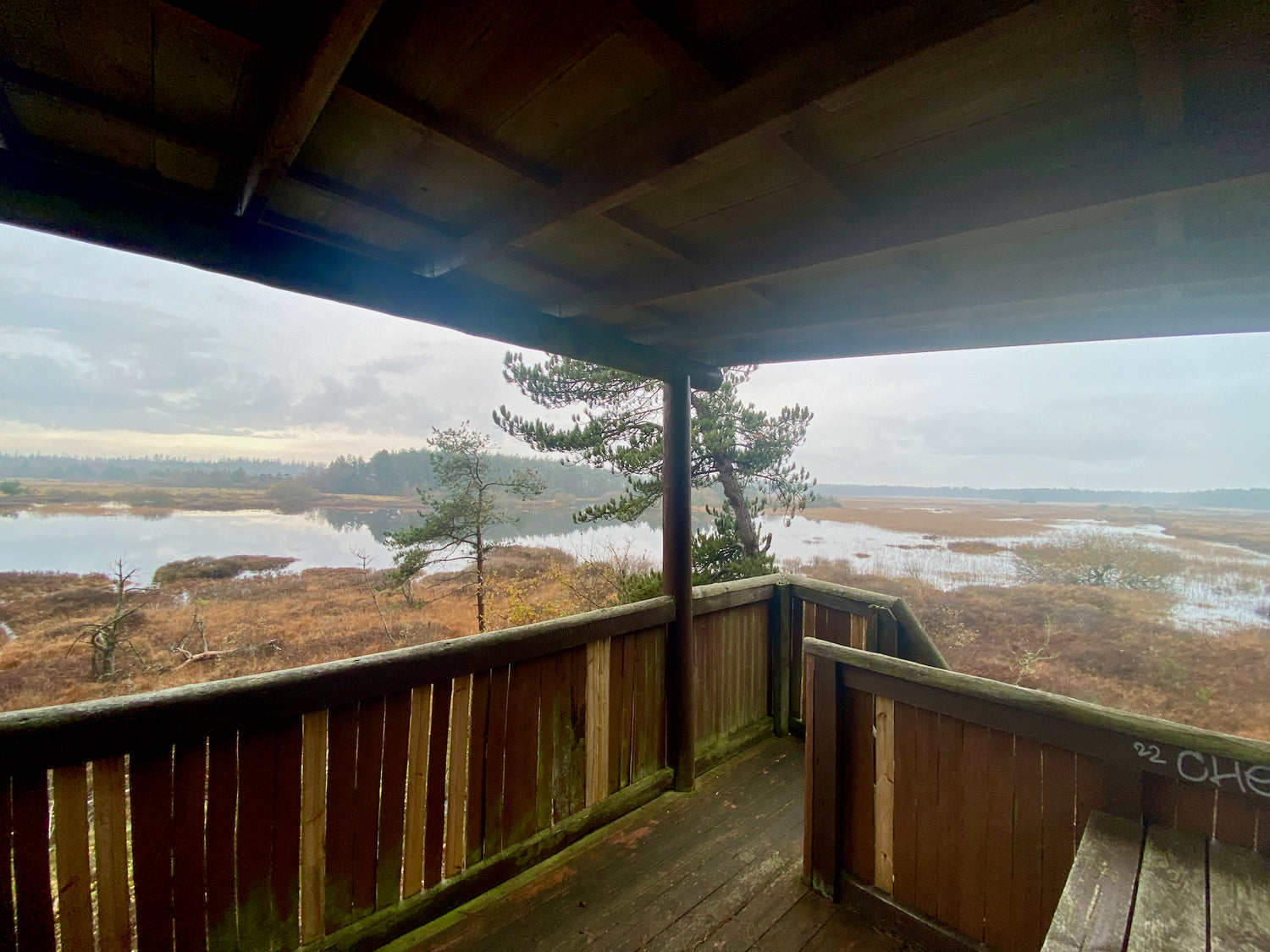
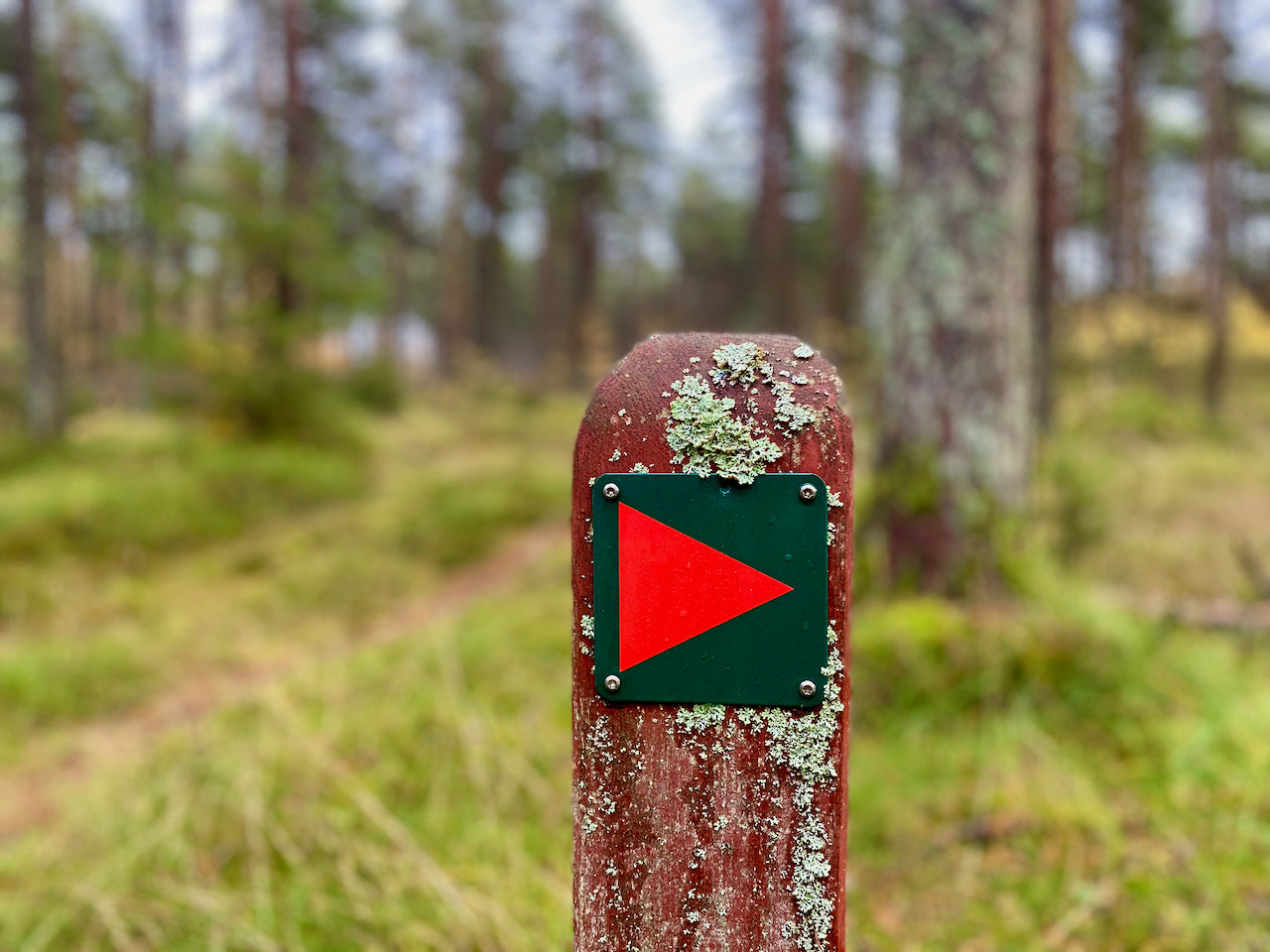
Overklitten Sø's red route takes you through the scenic surroundings of Tranum Klitplantage, where you can enjoy the beautiful, wooded nature. Along the way, you will pass a bird tower at Overklitten Sø, from where you might be lucky enough to hear or see cranes, teal ducks and ravens.

Dyssestien 3.1 km
The route takes you around the Bratbjergsøerne, where you can enjoy the beautiful surroundings. Peace and tranquility reign over the lakes, which were originally a gravel pit. From here the path continues through an area of soft, hilly inland dunes. In some places they are covered with heather, while here and there there is low scrub.


Koldmosen - red route 4.2 km
Take a pleasant walk through the marsh on the red route, which takes you along a small path covered with grass and ensures that you can explore the area without worrying about wet feet. The bogs are carefully maintained to prevent total overgrowth and preserve the natural environment.


Ideal sequence of the trails in relation to transport
We recommend that you walk the hiking trails in the following order (or vice versa) to get the shortest possible transport distance between the trails:
- Dyssestien 3.1 km
- Overklitten Sø - red route 3.3 km
- Tranum - Trails in the countryside 5.3 km
- Sandmosen - green route 3,3
- Koldmosen - red route 4.2 km
You can choose to skip trails so that the distance fits what you want to walk.
For example, if you want to walk 11.9 km, you simply skip the Dyssestien and start instead with the Overklitten Sø - red route. You then stop after Sandmosen - green route.

Be aware
On the Sandmose - green route, you cross the route again just before the trip ends. You must therefore be careful not to go on an extra trip around.
Experiences and sights
-

Tranum Lys og Glas
Tranum Lys og Glas (candles and glass), located in the old farm buildings, offers a true paradise of candles, applied art, glass and many other items. The shop was established in 1968, primarily as a lighting manufacturer. Since then, many artists have joined the range, and today you can experience a multitude of different applied arts.
A special feature is the unique art of using clay, made from clay from the site's own garden. In other words, the clay is literally excavated on the site and processed on site. -

Tranum Strandgård, Art and Culture Centre
Tranum Strandgård Art and Culture Center has changing art exhibitions of contemporary visual art, concerts and lectures. -

Etly Klarborg and the shop Gammelbo
A thatched house for humans, but an entire castle for elves:
Gammelbo is Etly Klarborg's cozy store in Moseby, where the elves come into being, live and make pranks until they have to go out into the world and enjoy other Christmas-happy people.


Restaurants and cafés
-

Hotel Nor - Restaurant
Hotel Nor is beautifully located in the middle of the magnificent west coast nature at the top of the Lien slope. Here you have a unique view of the North Sea and beyond Jammer Bay"
Here, the surroundings the place is a part of are used, fresh fish from Skagerak will be on the menu, among other things. -

Rønnes Hotel and Restaurant
In the restaurant at Rønnes Hotel, theye do their best to create the right atmosphere, so that good food and hospitality can be enjoyed in our cozy surroundings.
Their skilled kitchen team makes delicious food from scratch in good quality and uses seasonal ingredients. With them, quality, tradition and innovation are words they attach great importance to. -

Strandhotel Klitrosen
Klitrosen is a lovely bright and inviting place where you can enjoy a delicious meal on the terrace or inside the restaurant. The hotel's new restaurant is decorated with Danish designer furniture, photographic art and glass art.
The detail has been thought of for the eye and not least for the palate. The restaurant offers a high standard with only the best ingredients, which are often from the region.


Equipment for your hike
Naturting - Fjerritslev
North Jutland's completely unique rough and raw landscapes, the wind and the vast expanses can easily make us humans feel small, and in reality it may not hurt at all.
From time to time we all need to disconnect and find peace from a busy everyday life with fixed frameworks, jobs and many chores.
And that is exactly what nature can do. In other words, get us to lower our shoulders, relax and get the brain and body in free gear, all while the body is pleasantly active.
We know all that at Naturting, and we also know that the joy and experience of being in nature is much greater if you are properly dressed.